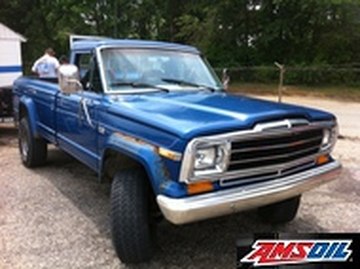
Engine Oil Maintenance for the 1983 Jeep J10 PICKUP 5.9L
Maintaining the lubrication system is a fundamental aspect of vehicle ownership. For owners of a 1983 Jeep J10 PICKUP with the 5.9L engine, regular attention to oil and filter changes helps ensure the engine operates as intended by the manufacturer. Proper maintenance involves understanding which components are required for your specific application and following established service procedures.
What oil filter does my 1983 Jeep J10 PICKUP 5.9L need?
For this vehicle, the WIX Oil Filter part number 51258-EA is listed.
Understanding Engine Oil Functions
Engine oil serves several critical roles within a combustion engine. Primarily, it acts as a lubricant to reduce friction between moving metal parts, such as pistons, crankshafts, and camshafts. By creating a thin film of fluid between these components, the oil helps prevent direct metal-to-metal contact, which can cause rapid wear or catastrophic engine failure.
Beyond lubrication, engine oil assists in thermal management by carrying heat away from high-temperature areas within the engine block and cylinder head. It also plays a role in cleaning the internal components by suspending microscopic debris and combustion byproducts, allowing them to be captured by the oil filter during circulation.
The Role of the Oil Filter
The oil filter is a vital component of the lubrication system. As engine oil circulates through the engine, it inevitably picks up contaminants such as carbon deposits, metal shavings, and dust. The filter's job is to trap these particles before the oil can be recirculated back into the engine.
A clogged or inefficient filter can restrict oil flow, potentially leading to inadequate lubrication in critical areas. When performing an oil change, it is standard practice to replace the filter at the same time as the oil to ensure that fresh fluid is not immediately contaminated by old debris trapped in a used filter. Using the specific filter listed for your vehicle helps maintain the integrity of the lubrication circuit.
Monitoring Oil Levels and Condition
Regularly checking the engine oil level is one of the simplest ways to monitor engine health. Most vehicles are equipped with a dipstick that allows for manual verification. It is generally recommended to check the oil level when the engine is cool and the vehicle is parked on a level surface.
In addition to checking the quantity, observing the condition of the oil can provide useful information. While oil will naturally darken over time due to combustion byproducts, extremely thick, sludge-like consistency or a strong smell of fuel may indicate that an oil change is overdue or that other mechanical issues are present. If you notice a significant drop in oil levels between checks, it may indicate a leak or internal consumption that requires professional inspection.
General Lubrication Maintenance Best Practices
To maintain the longevity of the lubrication system, consistency is key. Following the manufacturer's recommended maintenance schedule is the most effective way to prevent premature wear. This schedule dictates how often oil and filters should be replaced based on the vehicle's design and intended operation.
When performing maintenance, ensure that all drain plugs and filter housings are cleaned of debris before installation. When installing a new oil filter, it is common practice to lubricate the rubber gasket with a small amount of fresh oil to ensure a proper seal and to prevent the gasket from sticking during the next service interval. Always tighten components to the appropriate level to avoid leaks or damage to the threads.
Common Signs of Lubrication Issues
Drivers should remain vigilant for symptoms that suggest the lubrication system is not functioning correctly. One of the most immediate warnings is the illumination of the oil pressure warning light on the dashboard. This light typically indicates that oil pressure has dropped below a safe threshold, and the engine should be shut down immediately to prevent damage.
Other signs include unusual engine noises, such as tapping, knocking, or grinding, which may suggest that certain components are not receiving adequate lubrication. Additionally, visible leaks on the ground beneath the vehicle or oil pooling around the filter housing can indicate a failed gasket, a loose drain plug, or a damaged filter. Addressing these signs promptly is essential for preventing more extensive mechanical repairs.
BUYING ENGINE OIL
When you are ready to purchase supplies, ensure you are selecting products that meet the requirements of your specific engine. For this 1983 Jeep J10 PICKUP 5.9L, refer to your owner's manual for any specific fluid requirements or service intervals. When shopping, look for reputable brands and verify that the product is appropriate for your vehicle's needs. Always check the packaging to ensure you have the correct quantity and type of oil required for a full service.